Showing posts with label Article from TWSSG TEAM. Show all posts

9.1.13

[Photo & News] Top 10 Hottest Princesses in the world.


[Photo & News] Top 10 Hottest Princesses in the world.
Cr. - in.lifestyle.yahoo

There are many other princesses around the world, who are equally worthy of people's affection and admiration. Handpicked from scores of princesses across the globe, here is our pick of the world's top 10 hottest princesses.


HRH Princess Charloyte Casiraghi of Monaco

1. Charlotte Casiraghi of Monaco - Age: 25

Charlotte Casiraghi is the daughter of Princess Caroline of Hanover and Hereditary Princess of Monaco and Lt. Stefano Casiraghi. So striking are her looks that she instantly reminds people of her maternal grandmother, the legendary Grace Kelly. She almost matches the elegance and beauty that Grace Kelly was famous for. Charlotte, who is fourth in line of succession to the throne of Monaco, served as the ...
more


HRH Princess Haya Bint Al Hussein of Dubai

2. Princess Haya of Dubai / Jordan - Age: 37

Princess Haya, wife of Sheikh Mohammed bin Rashid Al Maktoum, of Dubai, is the daughter of Lt. King Hussein I of Jordan. Also called Sheikha Haya of Dubai, she is quite a multi-talented individual and has quite an exhaustive list of achievements. She is an athlete and has participated in a number of sporting events, is the President of the International Jordanian Athletes Cultural Association and the ...
more


HRH Princess Madeleine of Sweden

3. Princess Madeleine of Sweden - Age: 29

The gorgeous looking Princess of Sweden is fourth in the line of succession to the throne of Sweden, behind her two siblings Princess Victoria and Prince Carl Philip and her niece Princess Estelle. Princess Madeleine had been engaged to her lawyer boyfriend of 7 years, Jonas Bergström in 2009 but was called off the year following reports that Bergström had cheated on her with a college student. The Princess ...
more


HRH Princess Alexandra of Luxembourg

4. Princess Alexandra of Luxembourg - Age: 21

The young Princess Alexandra is one of five children and the only daughter of Grand Duchess Maria Teresa and Grand Duke Henri of Luxembourg. She has moved up to be third in line of succession after one of her older brothers, Prince Louis gave up his place. Princess Alexandra has been in the limelight since a very young age. Like many other princesses on the list, Princess Alexandra also has an inclination...
more


HRH Princess Letizia of Spain


5. Princess Letizia of Spain - Age: 39

Another commoner-turned-princess Princess Letizia is one who can make jaws drop with her amazing sense of style. Before her marriage to Felipe, Prince of Asturias, she was a journalist and had also been previously married to a school teacher for a year. She gave birth to two daughters, Infanta Leonor and Infanta Sofia in 2005 and 2007 respectively. Princess Letizia not only fulfills all her responsibilities ...
more


HRH Princess Charlene Wittstock of Monaco

6. Princess Charlene Wittstock of Monaco - Age: 34

She has often been called 'the reluctant princess' owing to all the reports of her trying to flee to South Africa just days before her wedding amongst many others. Charlene Wittstock became Her Serene Highness The Princess of Monaco upon her marriage to Albert II, Prince of Monaco son of Prince Rainier III and Grace Kelly. The former Olympic swimmer has now transformed into a poised royal who carries...
more
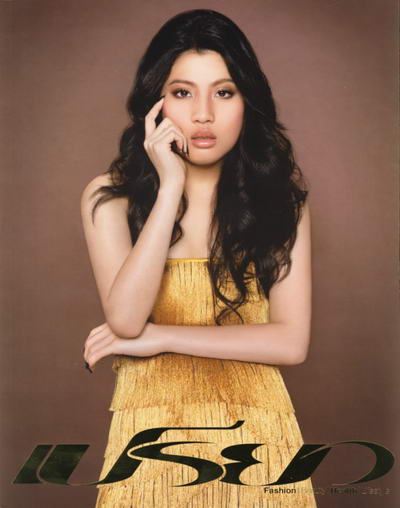


HRH Princess Sirivannavari of Thailand

7. Princess Sirivannavari of Thailand - Age: 25

The only daughter of the Crown Prince Maha Vajralongkorn, Princess Sirivannavari Nariratana clearly has a lot of responsibilities on her petite shoulders. Princess Sirivannavari was brought back to Thailand from UK after the separation of her parents and was given the royal title upon the command of King Bhumibol Adulyadej. Currently studying fashion and textile in the Faculty of Fine and Applied Art, ...
more


HRH Princess Theodora of Greece and Denmark

8. Princess Theodora of Greece and Denmark - Age: 28

Princess Theodora is the offspring of the former King of Greece Constantine II and Anne Marie of Denmark, and elder sister to Prince Phillipos. Though Greek monarchy has been abolished she still holds the royal title- Her Royal Highness Princess Theodora of Greece and Denmark. The princess is apparently fond of being under the spotlight as she even made her acting debut in 'The Bold and the ...
more


HRH Princess Ashi Sonam Dechan Wangchuck of Bhutan

9. Princess Sonam Dechen Wangchuck of Bhutan - Age: 30

Princess Sonam Dechen Wangchuck, Bhutan's 4th King Jigme Singye Wangchuck's daughter, is a perfect blend of grace and intellect. Armed with a degree in international relations and a Masters in law from Stanford and Harvard Law School. Princess Sonam is currently the President of the Bhutan National Legal Institute under the Judiciary of the Kingdom of Bhutan. Her husband Dashu Phub W. Dorji, is ...
more


Princess Zara Phillips of Great Britain

10.Princess Zara Phillips of Great Britain - Age: 30

Queen Elizabeth's eldest grand-daughter is the apple of everyone's eye. Princess Anne and Captain Mark Phillips' only daughter is 14th in the line of succession. The daughter of the Princess Royal has always excelled in sports and is an accomplished equestrian just like her parents. She married Mike Tindall, national rugby union player in July 2011.

7.12.12

[News] ‘Arirang’ makes Unesco list of cultural artifacts.


[News] ‘Arirang’ makes Unesco list of cultural artifacts.
Cr. - Joongang Ilbo / TWSSG TEAM

Korea’s traditional folk song “Arirang” was added to Unesco’s intangible cultural heritage list, a move welcomed by Koreans but also a reminder of the need to study and appreciate it more.

The United Nations body’s Intergovernmental Committee for the Safeguarding of the Intangible Cultural Heritage decided to place the song on the heritage list during its seventh meeting Wednesday at Unesco headquarters in Paris.

“While dealing with diverse universal themes, the simple musical and literary composition invites improvisation, imitation and singing in unison,” Unesco said in a press release. “A great virtue is its respect for human creativity, freedom of expression and empathy. Everyone can create new lyrics, adding to the song’s regional, historical and genre variations, and cultural diversity.”


Although its origin is still elusive and the subject of study - as is the meaning of the word arirang - the song is so much more than just a song to Koreans. Some say it is another name for Koreans. Others say it is a “second national anthem.” Virtually all Koreans, even those living in North Korea and abroad, can sing at least part of it, most likely the refrain, “Arirang, arirang, arariyo.”

Royal families of the Joseon Dynasty (1392-1910) enjoyed performances of “Arirang.” A woman conscripted as a sex slave in Japan during World War II reportedly couldn’t remember her name, her hometown or her parents due to trauma, but was able to sing “Arirang.” Foreign soldiers who fought in the Korean War (1950-53) hummed the melody.


The reason “Arirang” lasted so long and was able to evolve through time is because it is so versatile: It can be interpreted as a love song, labor march or campaign anthem. Korean farmers and fishermen sang it as they worked. Independence fighters and democracy activities sang it in protests. It was also the main cheer at the 2002 FIFA World Cup co-hosted by Korea and Japan.

Experts say there are at least 60 versions of “Arirang” across the Korean Peninsula. The versions indigenous to Jeongseon (Gangwon), Jindo (Jeolla) and Miryang (Gyeongsang) are some of the most famous. In particular, the Jeongseon version, observers say, is the most lyrical. Regions like Jeongseon, Jindo and Miryang, which already hold festivals inspired by “Arirang,” welcomed Unesco’s decision.

But critics pointed out that South Korea only belatedly stepped up efforts to get “Arirang” on the Unesco list after China included it on its own national intangible cultural heritage list in May 2011, claiming that it is a folk song of an ethnic Korean group living in the northeastern part of the country.


The Cultural Heritage Administration said with the Unesco decision, it plans to adopt various measures to designate “Arirang” as Korea’s national intangible cultural heritage; give support to people and organizations working on its preservation; and create an “Arirang” archive that will gather some 337 related materials scattered all around.

“Korea wasn’t able to name ‘Arirang’ as a national intangible cultural heritage because the related law says there should be a person who possess the skills in the heritage,” Lee Ye-na of the administration’s international relations division said. “But a revision of the law has been proposed and with the revision, we believe ‘Arirang’ will soon be recognized as part of Korea’s heritage as well.”

The addition of “Arirang” to the Unesco list brought to 15 the number of South Korean items on Unesco’s Intangible Cultural Heritage of Humanity List. Others include the Royal Ancestral Rite and Ritual Music at the Jongmyo Shrine, and pansori, a traditional style of narrative song.


Arirang (Sad Song Version)

The photos in this clip were taken around 100 years ago,
The last several ones are pictures of Korean last royal family.


อารีรัง (아리랑): Arirang
Roytavan : Author

อารี รัง (아리랑) : Arirang บทเพลงอันเป็นตัวแทนของประชาชนชาวเกาหลีทั้ง 2 ประเทศ "อารีรัง" เป็นเพลงที่ร้องกันมาแต่สมัยโบราณ และถือเป็นประเพณีอย่างหนึ่งของชาวเกาหลี เมื่อใดก็ตามที่มีกิจกรรมร่วมระหว่างประชาชนชาวเกาหลีใต้และประชาชนชาว เกาหลีเหนือ ...เพลงอารีรัง...จะถูกนำขึ้นมาร้องทุกครั้งไป โดยถือเป็นธรรมเนียมปฎิบัติร่วมกันและที่สำคัญจะไม่มีการร้องเพลงชาติของฝ่ายใดฝ่ายหนึ่ง นั่นเป็นการสื่อถึงความหมายการเป็นชนชาติเดียวกัน หากแต่ต้องตัดขาดความเป็นญาติพี่น้อง เพียงเพราะอุดมการณ์ความคิดทางการเมืองที่แตกต่างกัน

บนเส้นทางถนนซึ่งพาดผ่านช่องแคบภูเขาทอดยาวคดเคี้ยวคู่ขนานไปกับแม่น้ำดองกังแห่งยองวอล ...ทิวทัศน์ที่สวยสดงดงามประดุจสายรุ้งที่ทอดยาวสู่สรวงสวรรค์ของเมืองกัง วอนนั้น... กลับกลายเป็นเส้นทางแห่งความเศร้า...สุดแสนพรรณา... เมื่อสิ้นสุดสงครามภายในประเทศเกาหลี เส้นทางประวัติศาสตร์ที่เรารู้จักกันในนาม "Arirang Bypass" กลายเป็นถนนแห่งการพลัดพลาดของญาติพี่น้อง ครอบครัวและบุคคลอันเป็นที่รัก...และสุดท้ายกลายเป็นที่มาของบทเพลง อารีรัง ที่มีชื่อเสียงโด่งดังไปทั่วโลกนั่นเอง


ความหมายของคำว่า อารีรัง (เกาหลี: 아리랑)
อารี รัง เป็นคำโบราณ มีความหมาย คือ สุดที่รัก หรือ ที่รักฉันคิดถึงเธอ เนื่องจาก คำว่า อารี (아리 - Ari) แปลว่า สวยงาม หรือแปลว่า คิดถึง ส่วนคำว่า รัง (랑 - Rang) หมายถึง ที่รัก

อารีรัง (Arirang : 아리랑)
อารี รัง (เกาหลี: 아리랑) เป็นเพลงพื้นบ้านเกาหลีที่รู้จักกันดีที่สุด ทั้งภายในประเทศเกาหลีและต่างประเทศ โดยเนื้อหาของเพลงนั้น จะเกี่ยวกับการเดินทางผ่านช่องแคบแนวเขา และมักจะเกี่ยวกับการจากลาจากคนรัก หรือสงคราม


รูปแบบของเพลงอารีรัง
เพลง อารีรังมีมากมายหลายรูปแบบ ซึ่งมากกว่า 1,000 แบบ แต่สามารถจำแนกกลุ่มออกเป็นกลุ่มต่าง ๆ ได้โดย ขึ้นอยู่กับเนื้อร้อง สร้อย ทำนองโดยรวม ฯลฯ ชื่อเพลงของอารีรังในแต่ละท้องถิ่น โดยอาจจะใช้ชื่อสถานที่หรืออาจใช้ชื่อสำคัญต่าง ๆมานำหน้าและต่อท้ายด้วยคำว่า อารีรัง...

เพลงอารีรังต้น ฉบับดั้ง เดิมนั้นคือ จองซอน อารีรัง เป็นเพลงท้องถิ่นโบราณนานกว่า 600 ปีแล้ว แต่บ้างก็กล่าวว่าเกิดขึ้นประมาณปี ค.ศ.1545 ส่วนอีกเพลง อารีรัง ที่รู้จักกันทั่วโลกนี้เป็นเพลงที่แต่งขึ้นในเกิดช่วงหลังสงครามเกาหลีซึ่ง นับได้ว่าค่อนข้างใหม่ เพลงนี้เป็นที่รู้จักแพร่หลาย ตั้งแต่ได้ถูกนำไปใช้เป็นเพลงประกอบภาพยนตร์เรื่องอารีรัง (1926) บางครั้งเพลงนี้ถูกเรียกว่า บอนโจอารีรัง (อารีรังมาตรฐาน), ซินอารีรัง (อารีรังใหม่), อารีรัง หรือ กยองกีอารีรัง (เนื่องจากมีต้นกำเนิดจากกรุงโซล ซึ่งเคยอยู่ในเขตจังหวัดกยองกี)

เพลงพื้นบ้าน"อารีรัง" แบบอื่น ๆ ที่มีประวัติยาวนาน ได้แก่
- จองซอนอารีรัง จากอำเภอจองซอน จังหวัดกังวอน
- จินโดอารีรัง จากอำเภอจินโด ในจังหวัดจอลลาใต้
- มีเรียงอารีรัง จากมีเรียง ในจังหวัดกยองซังใต้
- ปัลโดอารีรัง เป็นเพลงอารีรังที่รวมลักษณะต่าง ๆ ของเพลงอารีรังจากทุกท้องถิ่นเข้าด้วยกัน จึงเรียกว่าปัลโดอารีรัง
ซึ่งปัลโด แปลว่า 8 (เกาหลีโบราณทั้งหมดถูกแบ่งออกเป็น 8 เมือง)


สร้อยเพลงอารีรัง

ท่อนที่ 1
아리랑, 아리랑, 아라리요...
아리랑 고개로 넘어간다.
나를 버리고 가시는 님은
십리도 못가서 발병난다.

Arirang, Arirang, Arariyo...
Arirang gogaero neomeoganda.
Nareul beorigo gasineun nimeun
Simnido motgaseo balbyeongnanda.

สุดที่รัก ฉันคงคิดถึงเธอมากเหลือเกิน
สุดที่รัก ข้ามภูเขาไปแล้ว...
เธอทิ้งฉันไว้ที่นี่ เพียงลำพัง
เธออาจจะเป็นอะไรไหม ? ก่อนที่เธอจะถึงจุดหมาย...

ท่อนที่ 2

청청하늘엔 별도 많고
우리네 가슴엔 꿈도 많다

Cheongcheonghaneuren byeoldo manko
Urine gaseumen kkumdo manta

เช่นเดียวกับดาวมากมายในท้องฟ้า,
หัวใจฉันก็มีความเศร้าโศกมากมายเช่นกัน

ท่อนที่ 3

저기 저 산이 백두산이라지
동지 섣달에도 꽃만 핀다

Jeogi jeo sani Baekdusaniraji
Dongji seotdaredo kkonman pinda

ภูเขาลูกนั้นคือภูเขาแบคตูซัน,
ที่ซึ่งมีดอกไม้ผลิบาน แม้ในวันสุดท้ายของฤดูหนาว 

...........................................................

28.11.12

[VOD & Article] Loy Krathong Festival (English Version).


Loy Krathong Festival.

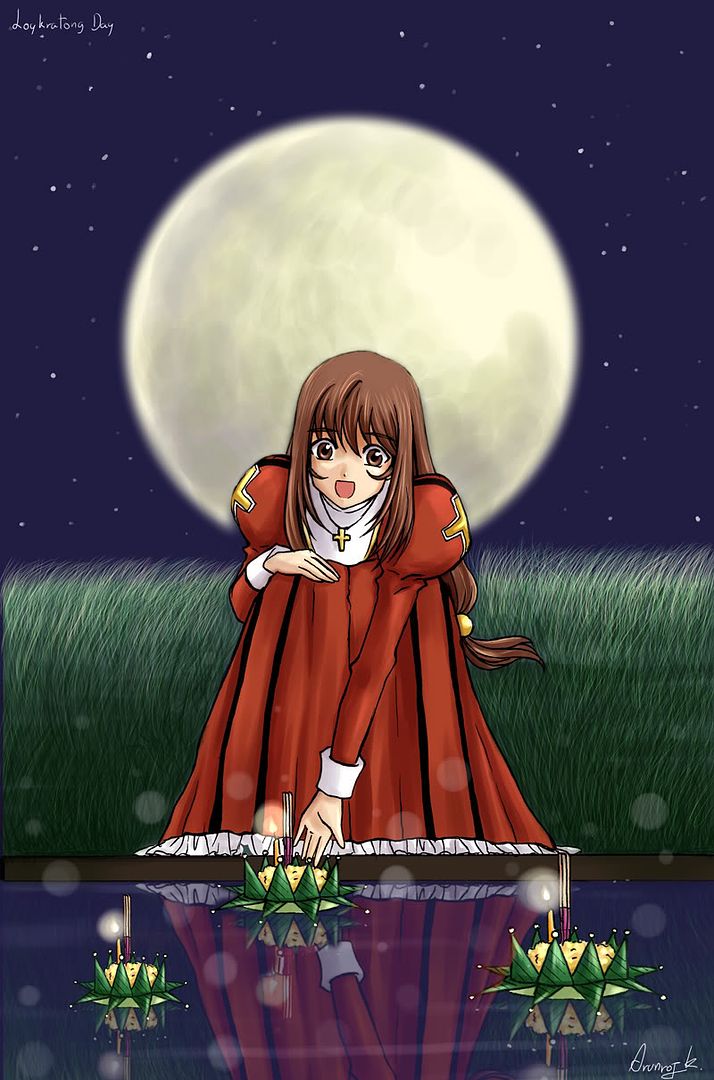
One of the most popular festivals in early November is the Loy Krathong Festival. It tales place at a time when the weather is fine as the rainy season is over and there is a high water lever all over the country.

"Loy" means " to float" and a " Krathong" is a lotus-shaped vessel made of banana leaves. The Krathong usually contains a candle, three joss-sticks, some flowers and coins.

In fact, the festival is of Brahmin origin in which people offer thanks to the Goddess of the water. Thus, by moonlight, people light the candles and joss-sticks, make a wish and launch their Krathongs on canals, rivers or even small ponds. It is believed that the Krathongs carry away sins and bad luck, and the wishes that have been made for the new year due to start. Indeed, it is the time to be joyful and happy as the sufferings are floated away.

The festival starts in the evening when there is a full moon in the sky People of all walks of life carry their Krathongs to the nearby rivers. After lighting candles and joss-sticks and making a wish, they gently place the Krathongs on the water and let them drift away till they go out of sight.

A Beauty Queen Contest is a important part of the festival and for this occasion it is called " The Noppamas Queen Contest" . Noppamas is a legendary figure from the Sukhothai period. Old documents refer to her as the chief royal consort of a Sukhothai King named "Lithai". Nuppamas was said to have made the first decorated Krathong to float in the river on the occasion.

In November some may wonder what is going on in Thailand when seeing travel magazine ads, posters at your hotel of Thai girls dressing in traditional Thai clothing with a beautiful floating object. That's a sign indicating that Loy Krathong is on its way. All these are related to Loy Krathong, an event which does not occur on the same date every year; instead it counts on the full moon night of the twelfth lunar month.


Loy Krathong Festival (English Version)


In this year 2012 it will be held on November 28, a romantic night. People look forward to going out and launching Krathongs together to predict the romance future by the direction the Krathongs float. However, this season is also good for strengthening relationship in family.

The history of Loy Krathong is rather obscure. Some believe that Krathong was first created by Tao Sri Chulalak or Nang Noppamas in Sukothai.

Others overlook its origin yet focus on the purposes of the ritual: to pay respect to the Goddess of the Water showing their gratitude on their plentiful use of water and ask for forgiveness in the ensuing pollution. Floating the beautiful Krathong away, which is the key activity in Loy Krathong,

also refers to flying away misfortune and bad things in the past and asking for good luck in the future. Although it is not a national holiday, many activities other than floating Krathong, are conducted in this festival, such as, contests of Krathong-making and Noppamas beauty pageants, local games and performances and fireworks.

If you are in the North of Thailand, you can join this spectacular occasion at Chiang Mai where it is specifically called Yee Peng -floating of lanterns into the sky. Or you can go to Tak where a line of thousand glittering lights are seen on the Ping River. When looking closer, you see that Krathongs here are made of coconut shells, threaded together to make chain and that's the story of Loy Krathong Sai.

Moreover, this year you can see Loy Krathong Sai made from banana trunk in Samut Songkram too. For sure, the festival in old cities is so famous and attracts a herd of visitors. Glory and ancientness of the kingdom is utterly alive in Phao Thian Len Fai in Sukhothai. In Bangsai District, Ayutthaya, you can feel the grandeur of Loy Krathong Tam Pratip and long boat race at Bangsai Arts and Crafts Centre of H.M. queen Sirikit of Thailand.

Staying at Bangkok you never miss a shot as well.  Popular places for Loy Krathong evening include Chao Phraya River, Rama IIX Bridge, Santichaiprakan Park on Phra Artit Road, Benjasiri Park or Queen's Park on Sukhumvit Road, Benjakiti Park on Ratchada Pisek Road and other waterways and universities.   These venues tend to have a lot of people and it could be very crowded.

Many of hotel and waterside restaurant offer Loy Krathong dinners and cruises.  Or if you don't prefer going out into the crowd, you can virtually Loy krathon at http://www.loikrathong.net.  The end of the year is near; this festival is set up for the occasion.   Have fun!


[VOD & Article] Loy Krathong Festival (English Version).


Loy Krathong Festival.

One of the most popular festivals in early November is the Loy Krathong Festival. It tales place at a time when the weather is fine as the rainy season is over and there is a high water lever all over the country.

"Loy" means " to float" and a " Krathong" is a lotus-shaped vessel made of banana leaves. The Krathong usually contains a candle, three joss-sticks, some flowers and coins.

In fact, the festival is of Brahmin origin in which people offer thanks to the Goddess of the water. Thus, by moonlight, people light the candles and joss-sticks, make a wish and launch their Krathongs on canals, rivers or even small ponds. It is believed that the Krathongs carry away sins and bad luck, and the wishes that have been made for the new year due to start. Indeed, it is the time to be joyful and happy as the sufferings are floated away.

The festival starts in the evening when there is a full moon in the sky People of all walks of life carry their Krathongs to the nearby rivers. After lighting candles and joss-sticks and making a wish, they gently place the Krathongs on the water and let them drift away till they go out of sight.

A Beauty Queen Contest is a important part of the festival and for this occasion it is called " The Noppamas Queen Contest" . Noppamas is a legendary figure from the Sukhothai period. Old documents refer to her as the chief royal consort of a Sukhothai King named "Lithai". Nuppamas was said to have made the first decorated Krathong to float in the river on the occasion.

In November some may wonder what is going on in Thailand when seeing travel magazine ads, posters at your hotel of Thai girls dressing in traditional Thai clothing with a beautiful floating object. That's a sign indicating that Loy Krathong is on its way. All these are related to Loy Krathong, an event which does not occur on the same date every year; instead it counts on the full moon night of the twelfth lunar month.


Loy Krathong Festival (English Version)


In this year 2012 it will be held on November 28, a romantic night. People look forward to going out and launching Krathongs together to predict the romance future by the direction the Krathongs float. However, this season is also good for strengthening relationship in family.

The history of Loy Krathong is rather obscure. Some believe that Krathong was first created by Tao Sri Chulalak or Nang Noppamas in Sukothai.

Others overlook its origin yet focus on the purposes of the ritual: to pay respect to the Goddess of the Water showing their gratitude on their plentiful use of water and ask for forgiveness in the ensuing pollution. Floating the beautiful Krathong away, which is the key activity in Loy Krathong,

also refers to flying away misfortune and bad things in the past and asking for good luck in the future. Although it is not a national holiday, many activities other than floating Krathong, are conducted in this festival, such as, contests of Krathong-making and Noppamas beauty pageants, local games and performances and fireworks.

If you are in the North of Thailand, you can join this spectacular occasion at Chiang Mai where it is specifically called Yee Peng -floating of lanterns into the sky. Or you can go to Tak where a line of thousand glittering lights are seen on the Ping River. When looking closer, you see that Krathongs here are made of coconut shells, threaded together to make chain and that's the story of Loy Krathong Sai.

Moreover, this year you can see Loy Krathong Sai made from banana trunk in Samut Songkram too. For sure, the festival in old cities is so famous and attracts a herd of visitors. Glory and ancientness of the kingdom is utterly alive in Phao Thian Len Fai in Sukhothai. In Bangsai District, Ayutthaya, you can feel the grandeur of Loy Krathong Tam Pratip and long boat race at Bangsai Arts and Crafts Centre of H.M. queen Sirikit of Thailand.

Staying at Bangkok you never miss a shot as well.  Popular places for Loy Krathong evening include Chao Phraya River, Rama IIX Bridge, Santichaiprakan Park on Phra Artit Road, Benjasiri Park or Queen's Park on Sukhumvit Road, Benjakiti Park on Ratchada Pisek Road and other waterways and universities.   These venues tend to have a lot of people and it could be very crowded.

Many of hotel and waterside restaurant offer Loy Krathong dinners and cruises.  Or if you don't prefer going out into the crowd, you can virtually Loy krathon at http://www.loikrathong.net.  The end of the year is near; this festival is set up for the occasion.   Have fun!


26.11.12

[Article] Loy Krathong Festival.


[Article] Loy Krathong Festival.

In November some may wonder what is going on in Thailand when one sees travel magazine ads and posters at hotels showing Thai girls dressed in traditional Thai clothing with beautiful floating objects. This simply indicates that Loy Krathong is on its way. In Thai "Loy" means to float and "Krathong" means a circular floating object with decoration of banana leaves, flowers, a candle and incense sticks.

All these are related to Loy Krathong, an event which does not occur on the same date every year; instead it is based on the full moon night of the twelfth lunar month, which usually falls in November. In 2011 it was held on November 10. In 2012 Loy Krathong Day will be celebrated on November 28. People look forward to going out and launching Krathongs together to predict their romance future by the direction the Krathongs float. However, this season is also good for strengthening relationship in the family.

KrathongThe floating of a Krathong is signifies floating away ill fortune as well as expressing apologies to Khongkha or Ganga, the River Goddess. Some believe that the ritual is meant to worship the Buddha's footprint on the bank of the Narmada River, while others say that it is to pay respects to Phra Uppakhut, one of the Lord Buddha's great disciples. The Loy Krathong Festival is celebrated nationwide in Thailand, especially where there are rivers, canals or sources of water, with different unique characteristics.


The History of Loy Krathong

The history of Loy Krathong is rather obscure. Some believe that Krathong was first created by Tao Sri Chulalak or Nang Noppamas in Sukothai.

Others overlook its origin and instead focus on the purposes of the ritual: to pay respect to the Goddess of the Water showing their gratitude on their plentiful use of water and ask for forgiveness in the ensuing pollution. Floating the beautiful Krathong away, which is the key activity in Loy Krathong, also refers to flying away misfortune and bad things in the past and asking for good luck in the future. Although it is not a national holiday, many activities other than floating Krathong, are conducted during this festival. Examples of these activities are contests activities are contests involving Krathong-making and Noppamas beauty pageants, local games and performances and fireworks.


Loy Krathong Song (English Version)


[Article] “พิธีอาบน้ำเพ็ญ” ความเชื่อโบราณในวันลอยกระทง


“พิธีอาบน้ำเพ็ญ” ความเชื่อโบราณในวันลอยกระทง
Original : TWSSG TEAM


ผู้สันทัดกรณีพิธีกรรมความเชื่ออันเกี่ยวโยงกับลอยกระทงรายหนึ่ง
เล่าย้อนสะท้อนยุคอดีตว่า... ความสำคัญของวันเพ็ญเดือน 12 นั้น คนไทยส่วนใหญ่ย่อมทราบถึง “ประเพณีลอยกระทง” ที่มีมาแต่โบราณในสมัยสุโขทัย ที่มีพื้นฐานความเชื่อมาจากลัทธิพิธีกรรมของพราหมณ์ ผสานกับศรัทธาในศาสนาพุทธ จนเกิด “ประเพณีชักโคม” ขึ้นเสาริมแม่น้ำเพื่อบูชาพระบรมสารีริกธาตุ พระจุฬามณีในชั้นดาวดึงส์ และ “ประเพณีลอยโคม” บูชารอยพระพุทธบาท มีตำนานกล่าวขานถึง “นางนพมาศ” พระสนม “พระร่วง” ซึ่งได้คิดทำ “กระทงรูปดอกบัว” ถวายให้ลอยตามกระแสน้ำ จนเกิด “ประเพณีลอยกระทงประทีป” สืบต่อกันมา...


และสิ่งที่สืบต่อกันมาอันเกี่ยวเนื่องกับประเพณีลอยกระทง

ก็แตกแขนงเป็นหลายส่วน รวมถึงด้านพิธีกรรมความเชื่อ อย่างเช่น... “พิธีอาบน้ำเพ็ญ” ซึ่งเป็นความเชื่อในเรื่องการ “ใช้น้ำเป็นสื่อกลางในการดูดพลังจากพระจันทร์” โดยการอาบน้ำตามสายน้ำต่าง ๆ หรืออาบในที่โล่งแจ้งจากภาชนะที่เตรียมใส่น้ำไว้


พิธีอาบน้ำเพ็ญนี้เชื่อกันมาแต่โบราณว่า

เป็น การอาบน้ำชำระบาป สาปส่งสิ่งที่ไม่ดี และขจัดสิ่งชั่วร้ายทั้งหลายให้หายไปจากจิตใจและร่างกาย เพื่อเป็นการสร้างเสริมบารมีและสิริมงคลแก่ชีวิต ถือเป็นพิธีที่ศักดิ์สิทธิ์ของตนเองและครอบครัว จะทำกันในคืนวันพระจันทร์เต็มดวงของวันขึ้น 15 ค่ำเดือน 12

“ปีหนึ่ง จะมีเพียงวันเดียวที่ทำพิธีนี้ ในอดีตจะทำ ณ แม่น้ำที่เชื่อว่ามีความบริสุทธิ์ดุจดั่งน้ำทิพย์ ที่เต็มไปด้วยพลังอำนาจแห่งดวงจันทรา ที่สร้างอหังการปาฏิหาริย์ให้แข็งกล้า จนบังเกิดความขยันหมั่นเพียร เรียนรู้สู้ทุกอย่าง สร้างความเจริญรุ่งเรือง หนุนนำเนื่องแก่ผู้กระทำอย่าง สูงสุด”


...ผู้ศึกษาเรื่องนี้ระบุ และบอกอีกว่า...

พิธี นี้ก็มีวัดถือปฏิบัติกันมา เป็นการทำเฉพาะบางแห่ง โดยประเพณีในการอาบน้ำเพ็ญจะใช้พิธีกรรมที่มีพระสงฆ์และฆราวาสมาร่วมพิธีกัน ที่ลานกลางแจ้ง เพื่ออาบน้ำในตอนเที่ยงคืน โดยน้ำที่ใช้อาบนั้นจะต้องมีพระสงฆ์สวดเจริญพระพุทธมนต์ บางแห่งก็จะมีสายสิญจน์โยงสู่ภาชนะที่เก็บน้ำต่อเนื่องไปยังผู้เข้าร่วมพิธี ทุกคน เพื่อให้มนต์และคาถาแผ่เมตตาเชื่อมโยงไปให้บังเกิดแต่สิ่งที่ดี มีความสำเร็จ มีความสุข สุขภาพแข็งแรง
"อาบแสงเพ็ญ” คือชื่อเรียกของอีกหนึ่งพิธีกรรมความเชื่อที่มีในยุคอดีต ที่เกี่ยวข้องกับ “ลอยกระทง” ซึ่งผู้สันทัดกรณีคนเดิมบอกว่า... สำหรับพิธีอาบแสงเพ็ญ ซึ่งจะกระทำในคืนเพ็ญเต็มดวงเดือน 12 นั้น ไม่ค่อยจะเป็นที่แพร่หลายหรือปฏิบัติกันมากนัก ผู้ปฏิบัตินั้นส่วนใหญ่มักจะเป็นบุคคลที่ได้รับรู้มา หรือได้รับการสืบทอดวิชาประเภทศาสตร์ลี้ลับ ไม่เป็นที่เปิดเผยแก่บุคคลหรือสาธารณชนทั่วไป


การอาบแสงเพ็ญ

จะ นิยมทำกันในเวลาที่พระจันทร์เต็มดวงลอยเด่นเห็นประกายแสงจ้าสถิตอยู่บนฟาก ฟ้า ซึ่งเชื่อกันว่าเป็นช่วงเวลาที่มีมนต์ขลัง โดยช่วงที่เต็มไปด้วย “พลังสูงสุด” คือช่วงเที่ยงคืนที่ “พระจันทร์อยู่ตรงหัวพอดี” ซึ่งในการอาบแสงเพ็ญนั้นจะทำได้หลายแบบ...

“ทั้ง แบบที่มีเครื่องนุ่งห่มปิดบังร่างกาย หรือมีน้อยชิ้น หรือแบบที่ไม่มีเครื่องนุ่งห่มเลย ซึ่งการอาบแสงเพ็ญนั้นเชื่อกันว่าเป็นการดูดพลังจากพระจันทร์โดยไม่ต้องใช้ น้ำสัมผัสกายเป็นสื่อกลาง”


นอกจากนี้ ผู้รู้ยังบอกต่อไปว่า...

ยัง มีเรื่องเล่าต่อ ๆ กันมาสำหรับผู้มีวิชาทางไสยเวทว่า ผู้หญิงที่ต้องการเพิ่มเสน่หายาใจแก่ตนเองให้อาบแสงเพ็ญตอนเที่ยงคืน จะมีมนต์เสน่หาเป็นที่รักใคร่เมตตาอย่างยิ่ง โดยเฉพาะจากเพศตรงข้าม อีกทั้งผู้มีวิชาถือคาถาอาคมจะอาบแสงเพ็ญเพื่อให้วิชาแกร่งกล้าสามารถอาจหาญ มากขึ้น นอกจากนี้ยังเชื่อกันว่าคนเจ็บป่วย นักเรียน นักศึกษา หมอดู หากได้อาบแสงเพ็ญในคืนเดือนเพ็ญจะทำให้โรคภัยไข้เจ็บดีขึ้น การเรียนดีขึ้น ความจำดีขึ้น การพยากรณ์จะถูกต้องแม่นยำมากขึ้น

ทั้งนี้และทั้งนั้น จากพิธีกรรม-ความเชื่อที่เกี่ยวข้องกับคืน “ลอยกระทง” นี้ หากพิจารณาถึงปรากฏการณ์ธรรมชาติที่เกี่ยวข้องกับพระจันทร์

4.11.12

[Article] Yongpyong Ski Resort (용평리조트) Base Facility, The best choice for your trip.


Yongpyong Ski Resort Base Facility.

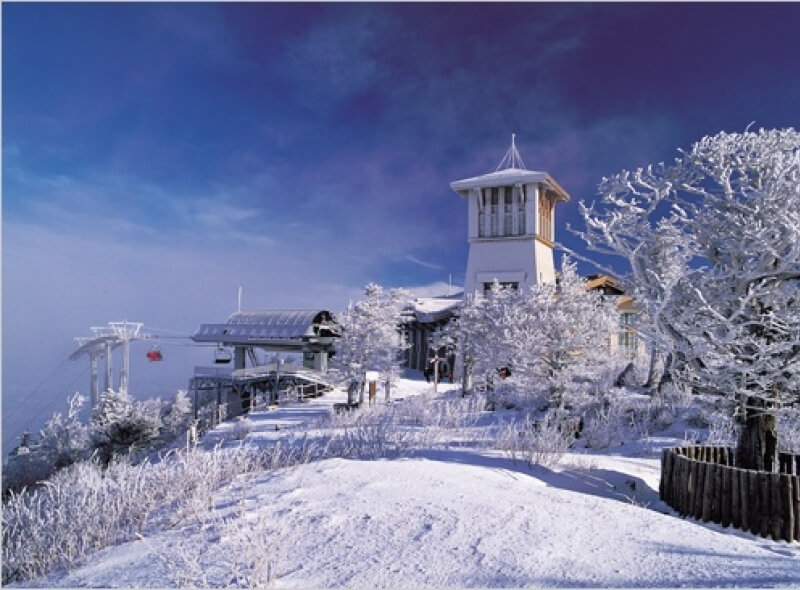
Yongpyong Ski Resort is the oldest ski resort in South Korea and remains one of its most popular. Yongpyong has more than 6 square miles of ski terrain and, unlike most other more recent South Korean ski areas, significant base area for real estate development.

Yongpyong was the site of the 1999 Asian Winter Olympics and in 1996 Zehren and Associates was retained by SsangYong, the owners of Yongpyong, to provide Master Planning and Architecture for new facilities related to the games. The Master Plan for the Yongpyong Resort Village includes shops, restaurants,hotels, and recreation facilities. In response to the Korean climate, the Village Plan provides both indoor and outdoor pedestrian streets and plazas.


Zehren and Associates also designed the major Gondola Base Facility and its associated Mountain Top Terminal and Restaurant.The Base Facility will accommodate all skier needs, along with restaurants,administration offices, and employee housing.

I worked with the team to develop the design for the “Ski Haus” base facility and traveled to South Korea to visit the site and several other ski areas in the region. Our involvement was limited to design and some consulting during documentation and construction to help resolve issues, but this involvement led to several other projects in the region and for Yongpyong.

Yongpyong has recently been selected to host the slalom and giant slalom events during the 2018 Winter Olympics.


South Korea: Yongpyong Ski Resort, The best choice for your trip.

Do you know Skiing is actually a good sport for you?

It uses up the adrenalin in response to stressful situations in our everyday life and produces endorphin. Exercise at altitude over a period of time improves the ability of the blood to absorb oxygen, helps heart function and circulation, and burns more CALORIES than the same exercise at sea level. So you could say skiing makes you live longer!

And Yongpyong Ski Resort will be an ideal choice.


Yongpyong Ski Resort is the oldest ski resort in South Korea and remains one of its most popular. If you are a big fan of the popular 2002 drama “Winter Sonata”, you should pay a visit to this place as it was filmed here.

It is situated at the center of Korea’s Baekdudaegan Mountains, and sees an average of 250 centimeters of snowfall per season, which makes for excellent skiing conditions.

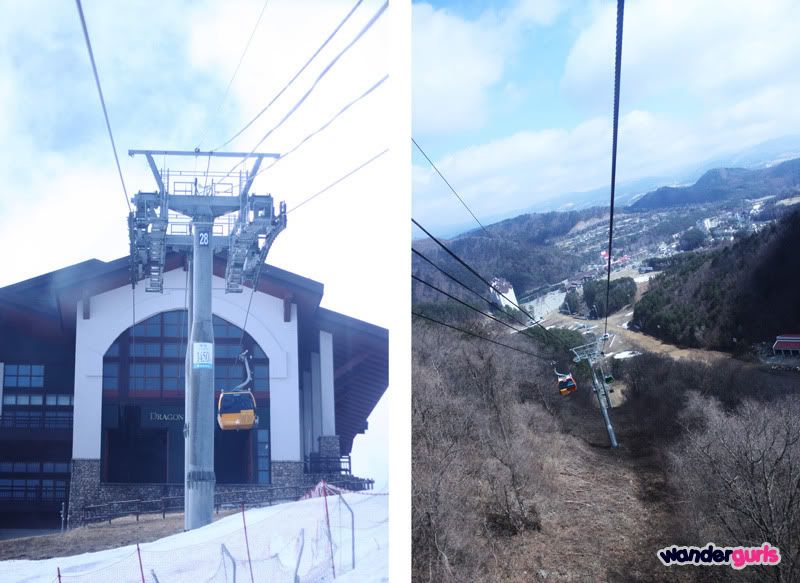
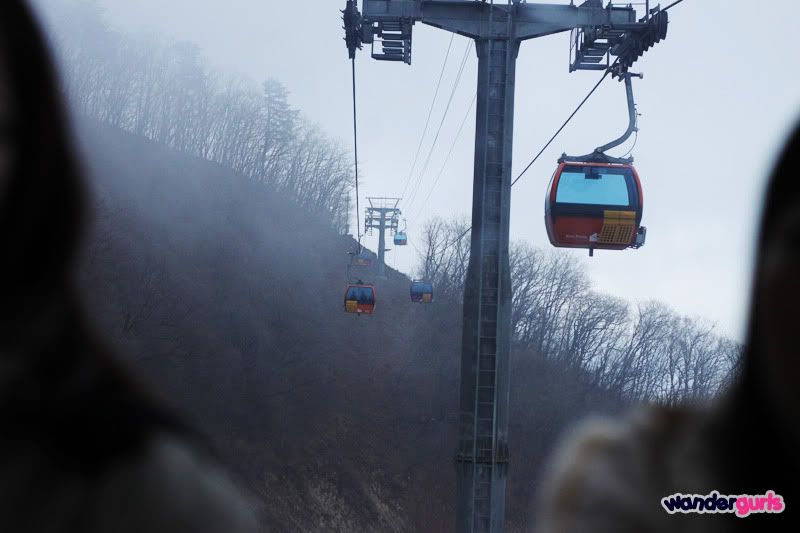
The 3.5-mile Rainbow Paradise is the resort’s longest run and can be accessed by a 2-mile gondola that takes visitors up from the base.

Off the slopes, Yongpyong offers “Winter Sonata” tours for true soap opera junkies and a water park with hot springs.

Yongpyong Resort has an impressive twenty-eight ski slopes, including the popular Rainbow Slopes, and offers excellent facilities for skiers. The park’s fifteen ski-lifts include a 3.7km cable-car and the resort’s ‘Dragon Plaza’ is the largest ski complex in Asia, offering a variety of services for skiers and boarders.

If you need a break from your busy lifestyle, Yongpyong Ski Resort will be your answer.


According to the site:
Operating Hours: 08:30~22:00 (Nighttime Skiing: until 00:30)
How to get there:
Seoul -> Yongpyong Resort


Shuttle Bus
Reservation Required (Inquiries +82-2-3270-1230~3)
Roundtrip -28,000, One-way -15,000 (Travel time: 3 hours)
Click here to read more details


Free Shuttle Bus
1. Take a bus from Dong Seoul Bus Terminal (Gangbyeon Station, Subway Line 2) to Hoenggye (Bus Schedule: 06:32-20:05, 40min intervals, Travel time: 2Hrs 30min)
2. Take free shuttle bus from Hoenggye Post Office (next to the terminal) to Yongpyong Resort
Bus Schedule: 04:40, 05:20, 06:20, 07:20, 08:00, 08:30, 09:40, 12:00, 14:00, 16:20, 17:40, 18:50, 20:00, 21:00, 23:30


ยงเพียง สกีรีสอร์ท (Yongpyong Ski Resort)   เป็นสถานที่ท่องเที่ยวเชิงกิจกรรมที่น่าจับตามอง ในช่วงฤดูร้อนผู้คนจะนิยมมาเล่นกอล์ฟ และในช่วงฤดูหนาว (พฤศจิกายน-มีนาคม) ผู้คนจะนิยมมาเล่นสกีซึ่งเป็นช่วงที่สำคัญที่เราจะได้พบเห็นนักท่องเที่ยวชาวต่างชาติจำนวนมาก ที่นี่มีสิ่งอำนวยความสะดวกมากมายสำหรับนักท่องเที่ยว มีที่พักโรงแรม รีสอร์ท, Minimart, ร้านเช่าอุปกรณ์สกี, ร้านอาหาร ไว้คอยบริการนักท่องเที่ยว


ลานสกีที่นี่จะแบ่งออกเป็นหลายระดับ ตั้งแต่ผู้เริ่มต้นฝึกหัดทดลองเดินด้วยรองเท้าสกี จะอยู่ที่ลานด้านล่าง สำหรับผู้ที่เล่นได้บ้างแล้วสามารถขึ้นลิฟต์ไปด้านบนในระดับ Beginner เพื่อเล่นสกีลงมาด้านล่าง สำหรับผู้ที่เชี่ยวชาญหรือมีใบอนุญาติการเล่นสกี สามารถขึ้นลิฟต์ไปด้านบนสุดเพื่อค้นหาความท้าทายในการเล่นสกีจากยอดเขาที่สูงชัน

อย่างไรก็ดี Yongpyong Ski Resort จัดว่าเป็นลานสกีที่น่าเล่นที่สุดในลำดับต้นๆ ของเกาหลี จนบริษัททัวร์ต่างๆ อดใจไม่ได้ที่จะวางโปรแกรมให้นักท่องเที่ยวได้มาสัมผัสกับประสบการณ์ที่น่าตื่นเต้นท่ามกลางบรรยากาศหนาวเย็นแบบสุดขั้ว


27.10.12

[VOD & Article] 'Oedolgae (외돌개)' Solitary Rock, The Legend of General Choe Yeong.


[VOD & Article] 'Oedolgae (외돌개)' Solitary Rock, The Legend of General Choe Yeong.
Original. - http://twssg.blogspot.com/

The name of the area 'Oedolgae (외돌개)' means "Lonely Standing Rock". This solitary basalt formation is called Oedolgae.It was formed as a result of a valcanic activity.

During the Koryeo dynasty (918-1392), General Choe-Yeong was on jeju to suppress the Mongols who has occupied the island from 1218,the Mongol forces made their final and fatal stand on Beomseom (Tiger Island) which is seaward form Oedolgae.


Another name of Oedolgae, General rock,come from an legend that General Choe-Yeong disguised the rock to appear like a giant military general and the mongols took it as a well established battle lines.They were so terrified that they committed suicide. It is also called Namju haegeumgang because the Oedolgae stands in Goseok harbor which is surrounded by screen like jagged cliffes.


Oedolgae, or Lonely Rock, is a basalt formation that juts 20 meters up into the air from the sea. A few different stories bring tourists to this spot, the most recent being that it was where Hansangoong (Mee Kyung Yang) faced her death in the 2003 TV drama ‘Daejangguem’.

The name of the rock itself comes from the legend that General Choe Yeong disguised the rock as a giant military general and the enemy soldiers were so terrified that they committed suicide.


1.10.12

[Article] Korean folklore - the Rabbit in the Moon.


[Article] Korean folklore - the Rabbit in the Moon.
Cr. - http://blog.korea.net/ 
Written by Suzy Chung 

Chuseok is soon to be upon us. If the biggest holiday of the first half of the year is Seollal (설날, Lunar New Year’s Day), then the biggest holiday of the second half of the year is undoubtedly Chuseok (추석). Chuseok is the mid-autumn festival celebrated on the 15th day of August of the lunar calendar, which is September 30th this year. It is usually a three day holiday – something quite rare in Korea – emphasizing the importance of this holiday.


Chuseok is generally called the “Korean Thanksgiving” and basically that is what it is: a festival to celebrate the harvest and the bounty of autumn. In Korea, however, there is much emphasis on one’s ancestors. People go back to their hometowns to get together with their families to tend the ancestors’ graves and give thanks to them through solemn ancestral rites.

Naturally, because it is a holiday celebrating the harvest, food becomes a central focus. Special Chuseok foods like songpyeon (송편), rice cakes in crescent shapes with various fillings, are made together as a family, with the usual holiday foods of jeon (전) and japchae (잡채) also making an appearance. Because it is the harvest season, there would be fruit in abundance, too.

Although called by different names depending on the era, Chuseok has been celebrated in Korea for centuries. Celebrating the harvest and the full moon also come hand in hand, as the full moon symbolizes fecundity and prosperity. Since the brightest and fullest moon is said to rise on Chuseok, it is more than reason enough for celebration. Among the traditional games played on Chuseok, the dance Ganggangsullae (강강술래) consists of people holding hands, singing and dancing in circles under the bright full moon.


So what about the rabbit in the moon? In Korea, you can’t talk about the full moon without thinking about the rabbit. I know that the full moon brings upon images of the “Man in the Moon” in some western cultures, but here, it’s the rabbit.

The rabbit in the moon is also called the “jade rabbit” (옥토끼), which is common in the folklore of not only Korea, but also China, Japan, and other countries. In Chinese folklore the rabbit is busily pounding a special medicine in a mortar for the Goddess of the Moon; in Korea, the rabbit is busily pounding rice to make tteok (떡, ddeok, rice cakes); in both cases, it is making an essence of life.


br />
But why is there a rabbit in the moon? Legend says there once was a village where a rabbit, a fox, and a monkey resided. The three devoted themselves to Buddhism and spent much time in its study and practice. One day, the Emperor of the Heavens looked upon them and to test their faith, told them to bring him something to eat. The three set off to fulfill his wish. Consequently, the fox returned with fish, the monkey with fruit, and the rabbit, who could do nothing but gather grass, lit a fire with it and jumped in, offering his own self. His commitment earned the approval of the Emperor and he was placed in the moon as its guardian, with “smoke” surrounding him as a reminder of his endeavor.

This legend varies in different cultures: sometimes the Emperor of the Heavens is disguised as a poor old man, sometimes it’s not the three animals mentioned above but others. The actions of the rabbit remain consistent, however, and the results of his deed as well.


Along with the rabbit, in the Korean versions, the gyesu tree (계수나무) is always mentioned, i.e. the Korean laurel/cinnamon tree. (Latin: cercidiphyllum japonicum.) Apparently the rabbit is standing under the gyesu tree while pounding on its mortar. Other folk tales and legends also mention the tree quite often, as it is known to be a sturdy, long living tree, and its bark (as cinnamon) has been used for medicinal purposes for centuries.

Because the rabbit signifies fecundit, it is not surprising that it is paired with the gyesu tree to signify a long, bountiful, and happy life – something you wish for while gazing at the full moon.


The image of the rabbit in the moon and the gyesu tree is so steadfast in Korean culture that it shows up in a famous children’s song, “Half-moon” (반달), which was written and composed by the songwriter Yoon Geuk-young (윤극영) in 1924. (The song is better known for its first verse and some people think it is the title, but it’s not.) The English version is quite good, as it was translated in sync with the melody. You can listen to the song here.

The lyrics are: 푸른 하늘 은하수 하얀 쪽배엔 계수나무 한 나무 토끼 한마리 돛대도 아니 달고 삿대도 없이 가기도 잘도 간다 서쪽 나라로

High above the deep blue sky, down the Milky Way, Rides a ship without a sail, with no oars they say, Ship of white, its only crew, is a rabbit white, Westward it floats along, silently through the night.


Naturally, it isn’t only during Chuseok when you can see the rabbit in the moon. (After all, the full moon comes around every month.) But perhaps because people thought the rabbit looked lonely up there, modern day interpretations usually depict two rabbits happily making tteok together, which makes it even more significant for Chuseok, a time for family and friends to come together.

So when Chuseok comes around, treat yourself to all the delicious food you can, head outside with loved ones to catch a glimpse of the rabbit in the bright full moon, and have a joyful dancing round of Ganggangsullae, too. Happy Chuseok, everyone!