Showing posts with label Articles. Show all posts

26.11.12

[Article] Loy Krathong Festival.


[Article] Loy Krathong Festival.

In November some may wonder what is going on in Thailand when one sees travel magazine ads and posters at hotels showing Thai girls dressed in traditional Thai clothing with beautiful floating objects. This simply indicates that Loy Krathong is on its way. In Thai "Loy" means to float and "Krathong" means a circular floating object with decoration of banana leaves, flowers, a candle and incense sticks.

All these are related to Loy Krathong, an event which does not occur on the same date every year; instead it is based on the full moon night of the twelfth lunar month, which usually falls in November. In 2011 it was held on November 10. In 2012 Loy Krathong Day will be celebrated on November 28. People look forward to going out and launching Krathongs together to predict their romance future by the direction the Krathongs float. However, this season is also good for strengthening relationship in the family.

KrathongThe floating of a Krathong is signifies floating away ill fortune as well as expressing apologies to Khongkha or Ganga, the River Goddess. Some believe that the ritual is meant to worship the Buddha's footprint on the bank of the Narmada River, while others say that it is to pay respects to Phra Uppakhut, one of the Lord Buddha's great disciples. The Loy Krathong Festival is celebrated nationwide in Thailand, especially where there are rivers, canals or sources of water, with different unique characteristics.


The History of Loy Krathong

The history of Loy Krathong is rather obscure. Some believe that Krathong was first created by Tao Sri Chulalak or Nang Noppamas in Sukothai.

Others overlook its origin and instead focus on the purposes of the ritual: to pay respect to the Goddess of the Water showing their gratitude on their plentiful use of water and ask for forgiveness in the ensuing pollution. Floating the beautiful Krathong away, which is the key activity in Loy Krathong, also refers to flying away misfortune and bad things in the past and asking for good luck in the future. Although it is not a national holiday, many activities other than floating Krathong, are conducted during this festival. Examples of these activities are contests activities are contests involving Krathong-making and Noppamas beauty pageants, local games and performances and fireworks.


Loy Krathong Song (English Version)


2.11.12

[VOD] Extraordinary Pantene Commercial "You Can Shine".


[VOD] . Extraordinary Pantene Commercial "You Can Shine"

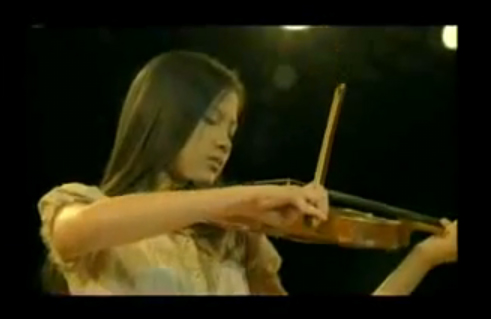
P&G in Thailand is promoting Pantene Chrysalis shampoo with “Violin”, (ไวโอลิน), the story of a deaf girl who learns to play the violin against all odds. The four minute video was released briefly in September 2008, aired on television and in cinemas, and distributed online where it continues to grow in popularity.

Inspired by a street violinist playing Johann Pachelbel’s Canon in D Major, a teenage girl practices on the violin, perhaps one of the most difficult instruments to play without hearing. She is hampered by her cruel peers, in particular a girl who aims for greatness on the piano.


Again and again the violinist returns to the street player for inspiration, finally making it to a classical music competition. Throughout the film we’re shown a chrysalis opening to reveal a butterfly. During the final scenes the girl’s hair is revealed as a symbol of her shining, along with a brief shot of the Pantene Chrysalis Shampoo bottle.

The spot was originally intended for cinemas but was extended to run in television and online. A holistic online strategy was laid out to maximize the exposure through trailers, YouTube metacafe clips and social blogs.


Grey Thailand’s Chief Operating Officer, Shilpa Swaroop, elaborates on the project. “P&G was willing to take a bold and unconventional approach, breaking away from the functional or celebrity endorsement based communication that is typical of the hair care category. The campaign’s main objective was more of an emotional connection with Thai consumers”.

Outlining an inspirational route to attaining self-confidence, the film demonstrates how one is able to shine from within. Pantene’s tagline “You can shine” speaks about unlocking one’s true potential where the brand plays a subtle, yet integral part of a woman’s intimate journey of confidence and self-discovery, eventually, manifesting itself in the presence of beautiful confident tresses.

Targeted at the Thailand market, Pantene Chrysalis exemplifies the power of inner beauty to deliver the message that with perseverance, even the seemingly impossible can be conquered.

Credits...

Chrysalis (แดกแด้) was developed at GREY Thailand by executive creative director/copywriter Sajan Raj Kurup, copywriter Thanonchai Sornsriwichai, agency producer Bee, chief operating officer Shilpa Swaroop and account manager Joy.

Filming was shot by director Thanonchai Sornsriwichai via Phenomena, Bangkok.

The spot won a silver world medal for short film at the New York Festival (NYF) in February 2009.


This presentation is to analyze how Pantene was successful with its emotional TV commercial called "you can shine". The ad did not mention about the brand or the product during its 4 minutes of lenghth. However, it is a touching and unforgettable ad that went viral.

Thai Pantene television commercial. Its simply brilliant. The story of a deaf and mute girl who learns to play the violin against all odds. One of the most touching advertisements Ive seen in a long, long time.

28.10.12

[Articles / Photo & VOD] Fall in Love with Korea's Autumn Season or 'Danpung Season'.


[Articles / Photo & VOD] Fall in Love with Korea's Autumn Season or 'Danpung Season'.
Cr. - http://www.advancedtechnologykorea.com/

Every fall, there is a mass movement across the country, and I’m not talking about the geese.

In Korea, families, couples, hikers and photographers make up part of the diverse group of tourists setting out for a danpung yeohaeng, or a trip to see the changing of the leaves. (Danpung is changing of the leaves and yeohaeng means trip or vacation)

We’ve written a post about what to enjoy about summer in Korea and we should be writing one soon about the winter (the ondol, or heated floor, system here is fascinating!). Each season holds a special place for Korean people and culture.

As in many cultures, fall is thought of as a romantic season here; a time to literally fall in love and snag up a significant other in time for the winter holidays. One of the most popular Korean dramas to date, “Autumn in My Heart” takes place during this season, nodding to this notion of fall romance. This phrase can be heard a lot throughout the season: Ga-eul-tahn-dah, or roughly translated as feeling sentimental during the fall. Fall gives way to feelings of nostalgia and longing.


Autumn in Korea typically lasts from about September to November and includes Chuseok, the most important of Korean holidays. Right now is the peak of fall and the perfect time to see the vibrant colors that pepper the mountainous regions of the country.

I had never fully appreciated the beauty of fall before coming to Korea. The mild days and clear skies make it the best time of year to visit the country. The scorching humidity of the summer monsoon season is over and it’s just before white frost begins to settle in.


Gangwondo, on the eastern side of the peninsula, is a popular site for viewing the danpung. I make sure to go every year for the best view of the variegated vegetation that makes up the landscape. Even though I’m a novice photographer, these leaves are models without imperfections. It’s impossible not to get a great shot:


Seoraksan, or Mt. Seorak, is arguably the most visited spot during this season, as it offers up fresh air and the brilliant foliage. Visitors can take a cable car up the mountain for a breathtaking panoramic view.

According to the Korea Tourism Organization, the mountain was named Seorak (Seol meaning snow and Ak meaning big mountain) because the snow would not melt for a long time, keeping the rocks in a permanent state of white. In November 1965, the Seorak Mountain district was designated as a Natural Monument preservation area. In December 1973, it was designated as a park preservation area, and in August 1982, as a Biosphere Preservation District by UNESCO. The site even recommends separate autumn foliage courses to best experience the 'Autumn Season' or 'Danpung Season'.


21.10.12

[Article] 'Hallyu' Korean teaching tool : Super Junior, ‘Winter Sonata’ as new primers.


[Article] 'Hallyu' Korean teaching tool : Super Junior, ‘Winter Sonata’ as new primers.
Author By Jane Han
Cr. - http://www.koreatimes.co.kr/

NEW YORK ― For learners of Korean in the U.S., it’s goodbye to rote memorization and dull drills; hello to Super Junior and Bae Yong-joon. A new curriculum is set to revamp the traditional teaching method of Korean, a much-needed update aimed at giving the language a more fun and practical appeal.

``It’s always been about grammar and vocabulary, just like the way Korean students approach English,’’ said Lee Hyo-sang, associate professor in the Department of East Asian Languages and Cultures at Indiana University.

``You can pile on all the grammar and vocabulary you want, but it’s worthless if you can’t speak the language,’’ he said. ``What you know about the language isn’t important. What you can do with the language is.’’

To help Korean learners do more, Lee and members of the American Association of Teachers of Korean (AATK), a national group of Korean language educators in the U.S., are working on a new curriculum that moves away from textbooks and engages cultural elements instead.

``Many instructors have found existing textbooks to be very limited. Those are bound to be more and more outdated, and lack in authenticity and topical appeal for college students,’’ says Kim Hae-young, associate professor in the Department of Asian and Middle Eastern Studies at Duke University and President of AATK.

Currently, approximately 70 middle and high schools, and 93 colleges and universities in the U.S. offer Korean classes.

Experts say there has been a sharp rise in the number of students who take Korean classes on US campuses largely driven by ``hallyu,’’ or the Korean wave.


So then what better way to teach Korean than with Korean drama and music?

``K-pop and K-drama are primarily what drew these students to the language, so it will be a more enjoyable and effective learning process to integrate the elements they like,’’ says Lee.

For example, lyrics could be used to illustrate grammatical patterns and functions. In Super Junior’s ``Beautiful Woman,’’ the lyrics show a repetition of phrases, such as ``bolkka malkka’’ (should I look or not) and ``bonchae manchae’’ (as if I saw it or not), which can make a complex structure easier to understand.


At AATK’s recent annual conference at Stanford University, Susan Strauss of Pennsylvania State University introduced comparison clips from the popular drama ``Winter Sonata’’ and American hit series ``Dawson’s Creek,’’ a lesson to guide students to explore similarities and differences of melodramatic depiction of romantic love and jealousy in each.

``We’re not looking for replacement of old textbooks with newer `textbooks,’’’ says Kim. ``Printed books are not suitable forms for updating, revising and flexible adaptations, so different ways of making developed materials need to be tried.’’

The new curriculum is expected to take at least two to three years for completion. Once completed, it will become a national standard as outlined by the American Council on the Teaching of Foreign Languages, a national advocacy group for language teachers.

1.10.12

[Article] Korean folklore - the Rabbit in the Moon.


[Article] Korean folklore - the Rabbit in the Moon.
Cr. - http://blog.korea.net/ 
Written by Suzy Chung 

Chuseok is soon to be upon us. If the biggest holiday of the first half of the year is Seollal (설날, Lunar New Year’s Day), then the biggest holiday of the second half of the year is undoubtedly Chuseok (추석). Chuseok is the mid-autumn festival celebrated on the 15th day of August of the lunar calendar, which is September 30th this year. It is usually a three day holiday – something quite rare in Korea – emphasizing the importance of this holiday.


Chuseok is generally called the “Korean Thanksgiving” and basically that is what it is: a festival to celebrate the harvest and the bounty of autumn. In Korea, however, there is much emphasis on one’s ancestors. People go back to their hometowns to get together with their families to tend the ancestors’ graves and give thanks to them through solemn ancestral rites.

Naturally, because it is a holiday celebrating the harvest, food becomes a central focus. Special Chuseok foods like songpyeon (송편), rice cakes in crescent shapes with various fillings, are made together as a family, with the usual holiday foods of jeon (전) and japchae (잡채) also making an appearance. Because it is the harvest season, there would be fruit in abundance, too.

Although called by different names depending on the era, Chuseok has been celebrated in Korea for centuries. Celebrating the harvest and the full moon also come hand in hand, as the full moon symbolizes fecundity and prosperity. Since the brightest and fullest moon is said to rise on Chuseok, it is more than reason enough for celebration. Among the traditional games played on Chuseok, the dance Ganggangsullae (강강술래) consists of people holding hands, singing and dancing in circles under the bright full moon.


So what about the rabbit in the moon? In Korea, you can’t talk about the full moon without thinking about the rabbit. I know that the full moon brings upon images of the “Man in the Moon” in some western cultures, but here, it’s the rabbit.

The rabbit in the moon is also called the “jade rabbit” (옥토끼), which is common in the folklore of not only Korea, but also China, Japan, and other countries. In Chinese folklore the rabbit is busily pounding a special medicine in a mortar for the Goddess of the Moon; in Korea, the rabbit is busily pounding rice to make tteok (떡, ddeok, rice cakes); in both cases, it is making an essence of life.


br />
But why is there a rabbit in the moon? Legend says there once was a village where a rabbit, a fox, and a monkey resided. The three devoted themselves to Buddhism and spent much time in its study and practice. One day, the Emperor of the Heavens looked upon them and to test their faith, told them to bring him something to eat. The three set off to fulfill his wish. Consequently, the fox returned with fish, the monkey with fruit, and the rabbit, who could do nothing but gather grass, lit a fire with it and jumped in, offering his own self. His commitment earned the approval of the Emperor and he was placed in the moon as its guardian, with “smoke” surrounding him as a reminder of his endeavor.

This legend varies in different cultures: sometimes the Emperor of the Heavens is disguised as a poor old man, sometimes it’s not the three animals mentioned above but others. The actions of the rabbit remain consistent, however, and the results of his deed as well.


Along with the rabbit, in the Korean versions, the gyesu tree (계수나무) is always mentioned, i.e. the Korean laurel/cinnamon tree. (Latin: cercidiphyllum japonicum.) Apparently the rabbit is standing under the gyesu tree while pounding on its mortar. Other folk tales and legends also mention the tree quite often, as it is known to be a sturdy, long living tree, and its bark (as cinnamon) has been used for medicinal purposes for centuries.

Because the rabbit signifies fecundit, it is not surprising that it is paired with the gyesu tree to signify a long, bountiful, and happy life – something you wish for while gazing at the full moon.


The image of the rabbit in the moon and the gyesu tree is so steadfast in Korean culture that it shows up in a famous children’s song, “Half-moon” (반달), which was written and composed by the songwriter Yoon Geuk-young (윤극영) in 1924. (The song is better known for its first verse and some people think it is the title, but it’s not.) The English version is quite good, as it was translated in sync with the melody. You can listen to the song here.

The lyrics are: 푸른 하늘 은하수 하얀 쪽배엔 계수나무 한 나무 토끼 한마리 돛대도 아니 달고 삿대도 없이 가기도 잘도 간다 서쪽 나라로

High above the deep blue sky, down the Milky Way, Rides a ship without a sail, with no oars they say, Ship of white, its only crew, is a rabbit white, Westward it floats along, silently through the night.


Naturally, it isn’t only during Chuseok when you can see the rabbit in the moon. (After all, the full moon comes around every month.) But perhaps because people thought the rabbit looked lonely up there, modern day interpretations usually depict two rabbits happily making tteok together, which makes it even more significant for Chuseok, a time for family and friends to come together.

So when Chuseok comes around, treat yourself to all the delicious food you can, head outside with loved ones to catch a glimpse of the rabbit in the bright full moon, and have a joyful dancing round of Ganggangsullae, too. Happy Chuseok, everyone!

10.4.12

[Article] 'Gone But Not Forgotten' Her Royal Highness Princess Bejaratana 1925 - 2011.


[Article] 'Gone But Not Forgotten' Her Royal Highness Princess Bejaratana 1925 - 2011.
Cr. - http://www.behindthecrown.com/princess_bejaratana.html
Information from The Nation (Thailand)

Princess Bejaratana, the only child of King Rama VI, passed away yesterday afternoon at the age of 85 from a blood infection, the Royal Household Bureau reported.

The princess' life encompassed four kings, although only one day under one of them. She was born on November 24, 1925, to King Vajiravudh and Princess Suvadhana. After seeing his daughter for a day, the king died on November 25, but not before he finished the poem he had been working on for her lullaby. Her uncle, King Rama VII, bestowed on the princess her name on December 30.

The princess and her mother moved to Suan Hongsa Villa at Dusit Palace, where she received her education from a private tutor. They moved in with Queen Sri Savarindira (the Queen Dowager) during the Second World War, and the princess attended Rajani School until the age of 12. The princess and her mother moved to England, where she received further schooling as well as medication for her illness.

In England, she first stayed at Fairhill Villa in Surrey, then transferred to Brighton. It was well known that the princess and her mother always granted audiences to Thais in England as well as supported Thai activities abroad. During the 20 years of her stay, the princess studied English, French and piano as well as attending an all-girls' boarding school in Wales throughout the Second World War. During the war, she volunteered to help the British Red Cross prepare bandages as well as medicine for soldiers.

In November 1957, the mother and daughter moved back to Thailand. They bought land on Sukhumvit Soi 38 and built Ruenruedi Villa Palace, which is still the home of the princess. Once the princess had settled into her new life in Thailand, she proceeded to perform her royal duties as a representative of the Royal Family. During her active days, she was recognised as a great help to His Majesty the King in carrying out public welfare missions that required visits to remote areas.

Her special interests ranged from education, public health, Buddhism and the soldiers and police stationed at Thailand's borders to general public welfare.

In a statement marking her 61st birthday, the princess vowed to dedicate her whole life to performing royal duties that served the national interest in honour of His Majesty the King.

An article on the Public Relations Department website describes her as follows: "A devout Buddhist, the Princess [was] known to be very punctual and make best use of her time. She [followed] her constant routines every day and her watch [was] always persistently adjusted. The Princess [preferred] simplicity and [was] a true nationalist. Her clothes and handbags [were] only made in Thailand. Her use of language [was] always clear and accurate. English and French [were] spoken only with foreigners. The Princess [crocheted] in her free time. The crocheted cloths [were] given to Thai soldiers along the border".

Princess Bejaratana was known privately to be a very gifted person, especially with numbers. She had the knack of calculating the day of the week for any dates presented to her, promptly and without any hesitation, as well as remembering the birthdays of everyone who had been presented to her.

Because of her age and failing health, she cut back on many of her royal duties in her later years. However, once in a while she engaged in some work that was connected to her late father.

The Royal Household Bureau is arranging for the public to pay homage to her at the Sahathai Samakom Hall in the Grand Palace from 1pm to 5pm today.


9.4.12

[Thailand News] The Royal Cremation of Princess Bejaratana Scheduled for 9 April 2012.


[Thailand News] The Royal Cremation of Princess Bejaratana Scheduled for 9 April 2012.
Original : http://twssg.blogspot.com/
Cr. - http://www.soravij.com/bejaratana.html

His Majesty the King has granted permission for the organizing of the royal cremation ceremony for Her Royal Highness Princess Bejaratana on 9 April 2012.

The National Commission on the Royal Cremation Ceremony for Her Royal Highness Princess Bejaratana, chaired by Prime Minister Yingluck Shinawatra, has been informed that the construction of the crematorium for the Princess would begin on December 15 this year.

Princess Bejaratana, the only child of King Vajiravudh (Rama VI), passed away on July 27 this year. The construction of the royal crematorium at the Sanam Luang ceremonial site in Bangkok will be completed in four months, in time for the royal cremation ceremony. The body of the Princess is lying in state at the Dusit Maha Prasat Throne Hall in the Grand Palace compound. The Fine Arts Department has already completed the design of the royal crematorium.

The Office of the Permanent Secretary, under the Prime Minister’s Office, was told by the National Commission on the Royal Cremation Ceremony to send a letter to the Office of His Majesty’s Principal Private Secretary, asking for royal permission for the Government to invite His Royal Highness Crown Prince Maha Vajiralongkorn and Her Royal Highness Princess Maha Chakri Sirindhorn to serve as advisors for the royal cremation ceremony.

The 100-day merit-making ceremony after the death of Princess Bejaratana will take place on Thursday, November 3, at 07.00 hr, at the Sanam Luang ceremonial site. His Majesty the King declared a 100-day mourning period for royal members and royal court officials.

The National Commission on the Royal Cremation Ceremony, during its meeting on September 30, approved the appointment of seven committees to help in the organizing of the ceremony, with the highest honor accorded to the Princess.

The seven committees include the Committee on the Organizing of the Royal Cremation Ceremony, chaired by Deputy Prime Minister Yongyoot Wichaidit; the Committee on of the Royal Rank Procession in the Royal Cremation Ceremony, chaired by the Supreme Commander of the Royal Thai Armed Forces; the Committee on the Construction of the Royal Crematorium and Surrounding Structures, and the Renovation of Royal Chariots and Royal Palanquins, chaired by Deputy Prime Minister Police General Kowit Wattana; the Committee on Public Relations, chaired by Minister to the Prime Minister’s Office Kitsana Seehalak; the Committee on Security and Traffic, chaired by Deputy Prime Minister Police Captain Chalerm Ubumrung; the Committee on Commemorative Books and Historical Records, chaired by Minister of Culture Sukumol Kunplome; and the Committee on Budget Request Screening, chaired by the Budget Director of the Bureau of the Budget.


Bejaratana Rajasuda

Princess Bejaratana Rajasuda Sirisobhabannavadi of Thailand (RTGS: Phetcharat Ratchasuda Sirisophaphannawadi; Thai: สมเด็จพระเจ้าภคินีเธอ เจ้าฟ้าเพชรรัตนราชสุดา สิริโสภาพัณณวดี, 24 November 1925 – 27 July 2011) was the only child of the King Vajiravudh of Thailand. She was a first cousin of King Bhumibol Adulyadej and third cousin of King Norodom Sihanouk of Cambodia.

Her funeral is scheduled for April 9, 2012 at Sanam Luang ceremonial ground in Bangkok.


Biography :

Princess Bejaratana was born on 24 November 1925 in the Royal Grand Palace, Bangkok, the only child of King Vajiravudh (Rama VI) and Princess Suvadhana. After having seen his daughter one time, the King died the following day. Her uncle, who became King Prajadhipok (Rama VII), performed the naming ceremony for the princess on 30 December.

Princess Benjaratana and her mother moved to Suan Hongsa Villa in Dusit Palace, where she received her education from a private tutor. They moved in with Queen Sri Savarindira (the Queen Dowager) during World War II, and the princess attended Rajani School until she was 12. She and her mother then moved to England, where she received continued her education and took medication for her poor health. She first stayed at Fairhill Villa in Surrey, before settling in Brighton.

In November 1957, Princess Bejaratana returned to Thailand. They bought land on Sukhumvit Road Soi 38, and build Ruenruedi Villa Palace. The princess proceeded to undertake her duties of representing the Royal Family. Her special interests were in education, public health, Buddhism, the soldiers and police stationed at Thailand's borders, and general public's welfare.

Princess Bejaratana was known privately to be very gifted, especially with numbers. She could calculate the day of the week for any dates presented to her without any hesitation, and remembered the birthdays of all individuals who were presented to her.

Near the end of her life she had cut down on her Royal duties because of her age, but ocassionally still did work relating to her royal father.

Princess Bejaratana died on 27 July 2011 at 4.37 pm at Siriraj Hospital, Bangkok aged 85.


Titles and styles :

- 30 December 1925 – 10 July 1935 : Her Royal Highness Princess Bejaratana Rajasuda.
- 10 July 1935 – 27 July 2011 : Her Royal Highness Princess Bejaratana Rajasuda, the Princess Cousin.

11.3.12

[VOD & Article] Japan’s Earthquake-Tsunami Disaster: One Year Later.


[VOD & Article] Japan’s Earthquake-Tsunami Disaster: One Year Later.
Cr. - http://www.realtruth.org/

Almost a year after a 9.0-magnitude earthquake and resulting tsunami rocked Japan—killing more than 19,000 people—the nation still faces colossal challenges.

The temblor and massive wave, which according to the World Bank caused at least $225 billion in economic damages, has continued to take a toll, both financially and emotionally. Massive amounts of debris from more than 125,000 destroyed buildings, broken levees, continued flooding due to excessive rain, and towns without power or water services have meant a slow recovery for the nation of more than 127 million people. Many of the country’s elderly, who once lived in coastal regions, now are forced to reside in temporary housing complexes.

A snapshot of what Japan is facing reveals the state of sections of the country one year later.

Thousands potentially still missing: “Somewhere under these unforgiving grey waters lie hundreds, perhaps thousands of bodies; the unfound, unclaimed dead of one of the country’s worst ever disasters,” Agence France-Presse stated. According to the media outlet, “One-in-six of the dead has never been found.”


Scattered debris: Some towns are debating where to store millions of tons of rubble. And there is great concern about an island of debris in the Pacific Ocean, which will likely hit the United States in about two years. “From entire segments of wooden homes, furniture and appliances to cars and boats, the rubbish islands are creating growing concern due to environmental pollution as well as shipping hazards,” Telegraph stated. “The possibility of human bodies being included in the debris is also high, bearing in mind the thousands of victims of the disaster who are still missing, believed to have been swept out to sea.”

Mass emigration: “More than 38,000 residents left the [tsunami-hit] area between March and August [2011], the biggest exodus since 1969,” Reuters stated. A University of Tokyo professor told the news agency, “The government has mostly focused on building seabanks, elevating land levels and other infrastructure development…But more attention is probably needed on supporting the livelihoods of people through direct assistance on employment and homes, or else people will leave.”

Economic woes: In 2011, the cost of rice was 10 to 15 percent higher than the previous year. Commodity prices are “sinking on the risk of another global slump, while a yen trading near postwar highs has cut the cost of imports,” Bloomberg stated. The media outlet summarized a statement by the International Monetary Fund, which cautioned that “without more rapid economic growth, the nation faces the risk that its fiscal situation will deteriorate ‘precariously.’”


Nuclear contamination: Authorities maintain that it could take 20 or more years for residents affected by the Fukushima Daiichi nuclear plant meltdown to be able to move back into the homes they fled. “[Tokyo Electric Power Co.] may have to pay 4.5 trillion yen…to compensate people who lost their homes and livelihoods because of radiation released from the Fukushima Dai-Ichi nuclear station,” Bloomberg reported in another article.

More earthquakes: A University of Nevada geophysicist said the Tohoku earthquake was “a grim reminder of the potential for another strong-motion mega-earthquake along the Pacific Northwest coast,” according to Wharton Magazine.

But there has been some progress.

In certain areas, debris has been removed and roads repaved. A reporter from Canadian news magazine Maclean’s noted that when he last visited a hard-hit section of Japan, “the roads were strewn with muck or littered with boats, the buildings were decorated with the ropes and buoys of the oyster farms that once thrived here and the tsunami, which struck shortly after the massive earthquake of March 11, toppled buildings.

“All that’s gone now—the streets scrubbed, most of the debris carted away and sorted into metal or wood or plastic. What’s left isn’t much of a town.”

While the government hopes to clear the debris by 2014, as of late February, only five percent of rubble left by the tsunami has been cleared.


2011 Japan disaster 2012 Parma one year later.


28.6.11

[Article] Remembering Park Yong-ha : Memorial wave for late hallyu star continues.


[Article] Remembering Park Yong-ha : Memorial wave for late hallyu star continues.
By - Chung Ah-young
Cr. - http://www.koreatimes.co.kr/

Although the late hallyu star Park Yong-ha died a year ago, his popularity is not waning in Japan.

Some 1,500 Japanese fans will attend his first memorial ceremony in Korea on June 30, according to Park’s former agency Yona Entertainment.

The ceremony will start at Yakcheon Temple where his memorial tablet is located, in Paju, Gyeonggi Province and then at Bundang Memorial Park in Gyeonggi Province, where his ashes were scattered.

“We originally planned to hold the memorial service only with his bereaved family members and closest friends but we’ve decided to invite his fan club (Summer Face Japan) members as they wanted to attend the ceremony,” his agency said.

In Japan, a film concert titled “Park Yong-ha Films 2004-2010: We Love Yong-ha” which portrays his performances throughout his lifetime is now being screened. The concert will tour nine more cities through July 7 in Japan and is expected to draw some 25,000 fans. Part of the concert’s proceeds will be donated to Japan’s Red Cross to help tsunami victims.

Also, a special exhibition in September, “Park Yong-ha Forever,” will pay tribute to his acting and singing career.

The exhibition will begin at Takashimaya Department Store in Shinjuku, Tokyo from Sept. 8 to 13, overviewing his acting career through videos and items he loved to use. Then the event will move to Matsuzakaya Department Store in Nagoya from Sept. 21 to 26.
Park committed suicide on June 30 last year at the age of 33, shocking his fans both at home and abroad.

Park made his debut in 1994 on MBC’s “Theme Theater.” He co-starred with Bae Yong-joon and Choi Ji-woo in “Winter Sonata” which lifted him to stardom in Korea and Japan in 2002.

He then appeared in several dramas and movies such as the television hit soap opera series “On Air” in 2008, as well as the movies “The Scam” and “The Slingshot” both in 2009.

Widely known as a singer in Japan, one of his popular songs was “Just For Yesterday,” the hit theme song of SBS hit drama “All In,” starring Lee Byung-hun and Song Hye-gyo. He also released several albums both in Korea and Japan including his 6th “Behind Love” which ranked third on the Oricon chart in 2008. His other albums “Say Goodbye” and “Love” came out in 2008 and both made the top 10 on the Oricon chart. Park sang the theme songs to SBS drama “On Air” in 2008 and was named Best Asian Artist at the Japan Gold Disc Awards in 2007 and 2008.

In 2008 Park established his own agency titled Yona Entertainment.

12.3.11

[VOD & Article] The True Story Of "Hachikō" / Hachi: A Dog's Tale


The True Story Of "Hachikō"
Cr. - http://en.wikipedia.org/


Hachikō (ハチ公, Novembre 10, 1923 – March 8, 1935) , known in japanese as chūken Hachikō (忠犬ハチ公, “faithful dog Hachikō”), was an Akita dog born on a farm near the city of Odate, Akita prefecture, remembered for his loyalty to his owner, even many years after his owner’s death.


Hachikō - LIFE :

In 1924, Hachikō was brought to Tokyo by his owner, Hidesaburo Ueno, a professor in the agriculture department at the University of Tokyo. During his owner’s life Hachikō saw him off from the front door and greeted him at the end of the day at the nearby Shibuya Station. The pair continued their daily routine until May 1925, when Professor Ueno did not return on the usual train one evening. The professor had suffered a stroke at the university that day. He died and never returned to the train station where his friend was waiting.

Hachikō was given away after his master’s death, but he routinely escaped, showing up again and again at his old home. Eventually, Hachikō apparently realized that Professor Ueno no longer lived at the house. So he went to look for his master at the train station where he had accompanied him so many times before. Each day, Hachikō waited for Professor Ueno to return. And each day he did not see his friend among the commuters at the station.

The permanent fixture at the train station that was Hachikō attracted the attention of other commuters. Many of the people who frequented the Shibuya train station had seen Hachikō and Professor Ueno together each day. They brought Hachikō treats and food to nourish him during his wait.

This continued for 10 years, with Hachikō appearing only in the evening time, precisely when the train was due at the station.


Hachikō - Publication :

That same year, another of Ueno’s faithful students (who had become something of an expert on the Akita breed) saw the dog at the station and followed him to the Kobayashi home where he learned the history of Hachikō’s life. Shortly after this meeting, the former student published a documented census of Akitas in Japan. His research found only 30 purebred Akitas remaining, including Hachikō from Shibuya Station.

Professor Ueno’s former student returned frequently to visit the dog and over the years published several articles about Hachikō’s remarkable loyalty. In 1932 one of these articles, published in Tokyo’s largest newspaper, threw the dog into the national spotlight. Hachikō became a national sensation. His faithfulness to his master’s memory impressed the people of Japan as a spirit of family loyalty all should strive to achieve. Teachers and parents used Hachikō’s vigil as an example for children to follow. A well-known Japanese artist rendered a sculpture of the dog, and throughout the country a new awareness of the Akita breed grew.

Eventually, Hachikō’s legendary faithfulness became a national symbol of loyalty.


Hachikō - Death :

Hachikō died on March 8, 1935. He was found on a street in Shibuya. His heart was infected with filarial worms and 3–4 yakitori sticks were found in his stomach. His stuffed and mounted remains are kept at the National Science Museum of japan in Ueno, Tokyo.


Hachikō Statue in Shibuya, Tokyo :

In April 1934, a bronze statue in his likeness was erected at Shibuya Station and Hachikō himself was present at its unveiling. The statue was recycled for the war effort during World War II. In 1948 The Society for Recreating the Hachikō Statue commissioned Takeshi Ando, son of the original artist who had since died, to make a second statue. The new statue, which was erected in August 1948, still stands and is an extremely popular meeting spot. The station entrance near this statue is named “Hachikō-guchi”, meaning “The Hachikō Exit”, and is one of Shibuya Station’s five exits.

The Japan Times played a practical joke on readers by reporting that the bronze statue was stolen a little before 2AM on April 1, 2007 by “suspected metal thieves”. The false story told a very detailed account of an elaborate theft by men wearing khaki workers’ uniforms who secured the area with orange safety cones and obscured the theft with blue vinyl tarps. The “crime” was allegedly recorded on security cameras.

A similar statue stands in Hachikō’s hometown, in front of Odate Station. In 2004, a new statue of Hachikō was erected on the original stone pedestal from Shibuya in front of the Akita Dog Museum in Odate.


Annual ceremony :

Each year on April 8, Hachikō’s devotion is honored with a solemn ceremony of remembrance at Tokyo’s Shibuya railroad station. Hundreds of dog lovers often turn out to honor his memory and loyalty.


Hachikō เรื่องจริงตามประวัติศาสตร์

Hachikō ฮาจิโกะ (Nov 10,1923 - March 8, 1935) ฮาจิโกะ เป็นสุนัขสายพันธุ์อคิตะ (Akita) เกิดที่เมืองโอดาเตะ จังหวัดอคิตะ ประเทศญี่ปุ่น ฮาจิโกะเป็นที่จดจำของผู้คนในความจงรักภักดีที่มันมีให้กับเจ้านายของมัน จนได้รับการขนานนามว่า ฮาจิโกะสุดยอดสุนัขผู้ซื่อสัตย์

ในปี 1924 ฮาชิโกะ ถูกพามาโตเกียวกับเจ้าของของมัน ศาสตราจารย์ ฮิเดซามุโระ อูเอโนะ แห่งภาควิชาการเกษตร มหาวิทยาลัยโตเกียว ตลอดชีวิตของศาสตราจารย์ ฮาชิโกะ ส่งเขาออกจากบ้านตอนเช้า และรอรับเขาหลังเลิกงานจากที่สถานีรถไฟชิบูย่า เดินกลับบ้าน ทั้งคู่ดำเนินชีวิตประจำวันเช่นนี้มาตลอด จนกระทั่งเดือน พฤษภาคมปี 1925 อุเอโนะ ก็ไม่ได้กลับมากับรถไฟเที่ยวเย็นเหมือนเคย ศ.อุเอะโนะ ได้เกิดอาการเส้นโลหิตในสมองแตก และเสียชีวิตขณะอยู่ที่มหาวิทยาลัย จากไปโดยไม่ได้กลับมาที่สถานีรถไฟที่ซึ่งเพื่อนของเขายังรอ คอยอยู่

ภายหลังการเสียชีวิตของ ศ.อุเอโนะ ภรรยาของเขาได้ย้ายบ้านและนำฮาจิโกะไปให้กับญาติของศาสตราจารย์ที่อยู่ห่าง ไกลออกไปหลายกิโลเมตร แต่ไม่มีอะไรขังหัวใจของฮาจิโกะได้ เพราะทุกครั้งที่มันหนีออกมาได้ มันจะวิ่งตรงไปที่บ้านเก่าของมัน แต่ก็ไม่เคยเจอใคร ในที่สุดฮาจิโกะก็รู้แล้วว่าเจ้านายของมันไม่ได้อยู่ที่บ้านอีกแล้วมันจึง กลับไปรอที่สถานีรถไฟเหมือนเมื่อครั้งที่เจ้านายของมันยังมีชีวิตอยู่ แต่ละวันผ่านไป ฮาชิโกะก็ยังเฝ้ารอการกลับมาของ ศ.อูเอโนะ และแต่ละวันก็ไม่เคยได้เห็นเจ้านายเดินออกมาท่ามกลางผู้คนมากมายที่ผ่านไปมา ในสถานี


การ ปรากฏตัวอย่างแน่นอนของฮาชิที่หน้าสถานีรถไฟ กลายเป็นสิ่งดึงดูดความสนใจของผู้คน มีคนจำนวนมากที่ใช้ชีวิตวนเวียนอยู่หน้าสถานีชิบูย่า และเคยเห็นฮาชิ กับ ศาสตราจารย์อูเอโนะด้วยกัน วันเวลาที่ผ่านไปพวกเขาจึงได้รู้ว่า ฮาชิโกะเฝ้ารอเจ้าของที่เสียชีวิตไปแล้ว พฤติกรรมนี้กลายเป็นความประทับใจ และ คนเหล่านี้ที่เลี้ยงดูให้อาหาร ดูแลฮาชิโกะตลอดช่วงเวลาแห่งการรอคอย

เหตุการณ์ นี้ดำเนินไปนานถึง 10 ปี ที่ฮาชิโกะจะมาปรากฏตัวเวลาเย็น ที่รถไฟเข้าสู่สถานีสม่ำเสมอ ในปีที่ 10 นั้น อดีตลูกศิษย์ของศาสตราจารย์ (ผู้กลายเป็นผู้เชี่ยวชาญสุนัขพันธ์อากิตะ) ได้เห็นฮาชิโกะที่สถานีรถ และติดตามไปจนถึงบ้านที่โคบายาชิที่ซึ่งเขาได้รู้เรื่องประวัติชีวิตของฮาชิ โกะ เพียงไม่นานจากนั้น อดีตนักศึกษาคนนั้นก็ได้ตีพิมพ์สารคดีเกี่ยวกับสุนัขพันธ์อากิตะในญี่ปุ่น และทำการค้นคว้าพบ ว่า มีเพียง 30 สายพันธ์แท้ของอากิตะที่ยังคงอยู่ รวมทั้ง ฮาชิโกะ ที่สถานีรถไฟชิบูย่า ตัวนี้ด้วย

อดีตลูก ศิษย์ของศาสตราจารย์ อูเอโนะ ผู้นั้น ยังกลับไปเยี่ยมฮาชิโกะบ่อยๆ ตลอดเวลาหลายปีเขาตีพิมพ์บทความเกี่ยวกับ ฮาชิโกะ เป็นที่จดจำในเรื่องความจงรักภักดี ในปี 1932 หนึ่งในบทความนั้นได้ตีพิมพ์ลงหนังสือพิมพ์ยักษ์ใหญ่ของโตเกียว ส่งให้สุนัขตัวนี้มีชื่อเสียงไประดับนานาชาติ ฮาชิโกะกลายเป็นสิ่งดึงดูดระดังประเทศ ความศรัทธาซื่อสัตย์ต่อเจ้าของสร้างความสะเทือนใจประชาชนญี่ปุ่น เปรียบเป็นจิตวิญญาณของความจงรักภักดีที่ทุกครอบครัวควรบรรลุถึง ครูและผู้ปกครองใช้การรอคอยของฮาชิโกะ เป็นตัวอย่างสอนเด็กๆ และศิลปินชื่อดังของญี่ปุ่นได้ปั้นรูปปั้นของสุนัขพันธ์นี้ รวมทั้งทั่วประเทศญี่ปุ่นก็มีการเพาะพันธ์อากิตะอย่างแพร่หลายมากขึ้น


เมษายน ปี 1934 รูปปั้นบรอนซ์ รูปร่างเหมือนฮาชิโกะ ถูกตั้งวางหน้าสถานีรถไฟชิบูย่า และตัวฮาชิโกะเองเป็นผู้เปิดผ้าคลุม (ฮาชิโกะตายในปีถัดมา วันที่ 8 มีนาคม 1935) แต่ภายหลัง รูปปั้นถูกนำไปรีไซเคิล เพื่อสงครามอันเป็นผลกระทบจากสงครามโลกครั้งที่ 2 แต่หลังสงครามโลกจบลง

และแล้ว...ในวันที่ 8 มีนาคม 1935 มีคนพบฮาจิโกะนอนตายอยู่ตรงที่ที่มันมักจะมารอคอยเจ้านายตลอดระยะเวลา 10 ปีที่ผ่านมา

แต่ฮาชิ โกะก็ไม่ได้ถูกหลงลืม ปี 1948 ทาเคชิ เอนโดะ ลูกชายของศิลปินที่ปั้นรูปปั้นอันแรก ได้สร้างรูปปั้นอันที่สอง ซึ่งมาตั้ง เดือนสิงหาคม 1948 และยังคงยืนเด่นเป็นจุดนัดพบยอดนิยม ในบรรดา 5 ประตูทางออกของสถานีรถไฟชิบูย่า ด้านใกล้รูปปั้นฮาชิโกะนี้ เรียกกันในชื่อประตูฮาชิ

ยังมีรูปปั้นเหมือนฮาชิโกะอีกตัว ตั้งอยู่ที่บ้านเกิดของฮาชิโกะ ที่สถานีรถไฟ โอดาเตะ และในปี 2004 รูปปั้นอันใหม่ของฮาชิโกะ เพิ่งถูกจัดตั้งวางบนฐานหินเดิมจากชิบูย่า นำไปวางตั้งไว้ด้านหน้าปากทางเข้าพิพิธภัณฑ์สุนัขพันธ์อากิตะที่เมืองโอดา เตะ ด้วย

ปี 1987 ภาพยนตร์ญี่ปุ่น Hachik Monogatari ถ่ายทอดเรื่องราวของฮาชิโกะตั้งแต่เกิดจนตาย และจบหนังด้วยภาพจิตนาการ ฮาชิโกะได้พบกับเจ้าของที่ฮาชิโกะรอคอย ภาพยนตร์เรื่องนั้น กลายเป็นภาพยนตร์ ประสบความสำเร็จสูง และยังคงติดอันดับเป็นประสบความสำเร็จสูงสุดของสตฺดิโอ Shochiku Kinema Kenky-jo จวบจนปัจจุบัน


Hachi: A Dog's Tale - Official Movie Trailer.


14.2.11

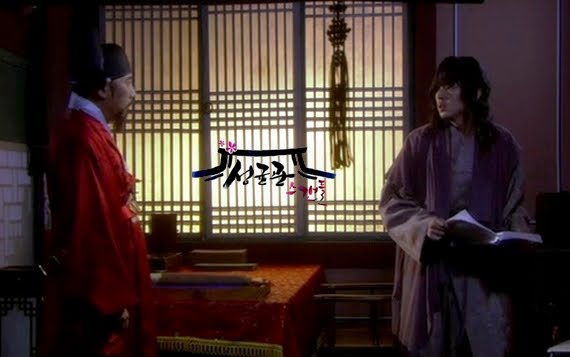
[Article] 10 Reasons Why you should be watch 'Sungkyunkwan Scandal'.


[Article] 10 Reasons Why you should be watch 'Sungkyunkwan Scandal'.
By princess serenity@Telewatching


10 Reasons Why I like 'Sungkyunkwan Scandal'.

1. Gender bender theme is believable - The reason why Kim Yoon-hee assumed the persona of his brother Kim Yoon-shik is because it’s a time where only men can study and work in the bookstore as a copier where she earns her family’s living expenses and support his brother’s medicine. And through a series of events, Yoon-hee continues to pretend to be a guy because admitting that she’s a girl could mean death for her and her family. It also helps that her brother is sick and her father is dead and she is forced to be the bread winner of the family.


2. Lovable cast - Who wouldn’t love Micky Yoochun, Park Min-young, Song Joong-ki and Yoo Ah-in? And I even like Jun Tae Soo a.k.a Ha In Soo and Kim Min Seo a.k.a. Cho Sun. And the kids on Sungkyunkwan, love them to bits. I like how the personalities of the Jalgeum Quartet differ from the personalities of the actors who are playing it. In an interview with Song Joong-ki, he reveals that Micky Yoochun is more like Goo Yong Ha, Yoo Ah-in is more like Lee Sun Joon and he is more l like Moon Jae Shin. And of course Park Min-young isn’t gender bending in real life but I like how she portrayed Yoon-shik. But whenever I see Micky Yoochun, Song Joong Ki and Yoo Ah-in in Sungkyunkwan, I see Lee Sun Joon, Goo Yong Ha and Moon Jae Shin in them. That’s what you call good acting.


3. Shows equality of man and woman - It is a time where society values man period. We have a king, political leaders, teachers and scholars that are men. Women are just housewives, gisaengs and slaves that can be sold. And in this setting we have Yoon-hee who defied the odds. She showed men and women should be equal. She survived Sungkyunkwan of course not without the help of her three friends, which just shows the equality not superiority of one to the other.


4. Shows the true meaning of Friendship - Yeo-rim and Geol Oh’s ten years of friendship is something I love in this drama. It shows how friends should be. They are so different from each other yet they are so good together. Lee Sun Joon and Kim Yoon-shik’s friendship is also the same. They complement each other so well and learn from each other thus making them better. And of course the friendship of the Jalgeum Quartet says it all. They come from different political factions, their parents aren’t best of friends, they have different social status and yet they’re friendship is so strong that one is willing to make a sacrifice for the other even if it means going against your family or even death. How I love to have friends like that!


5. Exhibits what True Love is - Lee Sun Joon loves Kim Yoon-shik and Kim Yoon-hee. His love for Kim Yoon-shik is so great that he is willing to leave his dreams so as to not harm Kim Yoon-shik. His love for Kim Yoon-hee is so great too that he was willing to go against his respected father. Moon Jae Shin’s love for Kim Yoon-shik is great to that he is doing everything to protect her even if it means hurting himself. Cho Sun and Ha In Soo also displayed their own meaning of love. And even Ha Hyo Eun’s love for Lee Sun Joon showed the viewers what it feels like when you are not the leading lady of the love story.


6. Displays realistic and heartwarming Parent-Child relationship - This drama also shows us the dynamics of parent-child relationships. A son could misunderstand his father, a daughter could misunderstand his father, and a father could not understand his son but in the end love between a parent and a child is all that matters. You may not understand why parents act that way but it is their way of expressing their love to their child.


7. Decent take on homosexuality - There is an episode in Sungkyunkwan Scandal that centered on homosexuality. I like how it was resolved although we know the accused weren’t really homosexuals. Loving someone isn’t a crime whether you’re in the same sex. When Lee Sun Joon thought he was a homosexual for liking a man, he wasn’t disgusted with himself. He tried to fight his feelings but when he realized he can’t he distance himself as to not harm his love one because society can’t accept it. And when he realized that his love one is not a “he” but a “she”, he wasn’t angry that he was made to think of himself as a homosexual but because she lied.


8. Is a light saeguk drama - I watched “Jewel in the Palace”, “Jumong” and “Queen Seon Deok” which have long episodes and have a lot of heavy drama. I like how “Sungkyunkwan Scandal” is a saeguk drama but have the leads not oppressed in the beginning of the episodes and just redeem them in the other half. I would love to have longer episodes but I think having 20 episodes is its charm since it didn’t drag.


9. Beautiful scenery/set and costumes - I love the uniforms of the Sungkyunkwan scholars. I like how they dress in the drama. I even love those rag-looking clothes Moon Jae Shin is wearing! And who wouldn’t love Yeorim’s clothes? I love the shots in the school especially the tree where Geol oh sits. Did I just typed love a couple of times? Well I just love the cinematography and the design in this drama!


10. Fantastic fans - Watching Sungkyunkwan Scandal with fantastic fans is the best. Sungkyunkwan Scandal isn’t best for non-Koreans since it involves difficult words and most of the time heavy dialogue scenes. But why did I enjoy watching it? Because of the wonderful fans it has, people who devote much time and effort to make this viewing experience a wonderful memory, people who translate those difficult scenes, people who recapped, people who share wonderful videos, pictures and music, and previews to appease my addiction to the drama. We all lost sleep and time but it was all worth it because of these wonderful people.